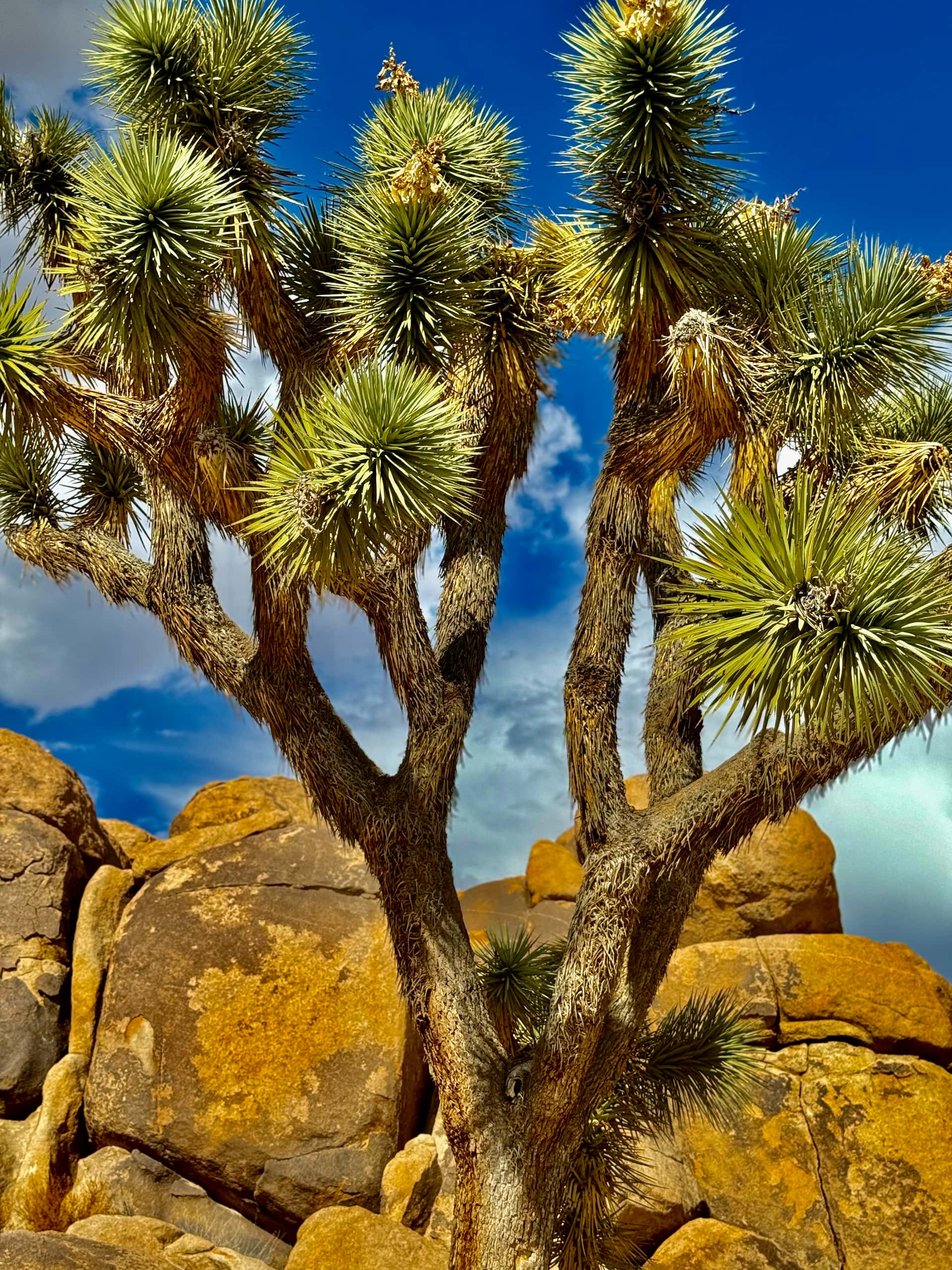
A Joshua tree silhouetted against a pastel desert sunset with boulder fields behind
Our story

A quiet cosmic company in Joshua Tree, California

We started because of a question visitors kept asking at the end of a long night under the stars, and because nobody was answering it honestly.

Every clear night, people drive out past the Joshua Tree National Park boundary, kill their headlights, and wait. Forty minutes later the sky has filled in and somebody always says the same thing: I did not know there was this much up there.

Then, on the way back to the car, comes the second question. How do I keep this? People have tried photographs and postcards and fridge magnets, and none of it holds. What they actually want is to belong to it somehow.

We looked at what was already on offer and did not much like it. The star-naming business has spent forty years implying an officialdom it does not have, and the certificates are usually printed on something you would not frame. It seemed obvious that you could do the same idea properly: pick something real, be straight about what the gift is, and make the object itself genuinely good.

Craters turned out to be the perfect subject. There are more than 1.3 million of them wider than a kilometre, catalogued in fine detail by orbiting spacecraft, and only around sixteen hundred have ever been given a name. The Moon is almost completely mapped and almost completely anonymous. Nobody is going to run out.

So we built the atlas, wrote the viewing notes for every entry, found a printer who understood cotton stock, and opened the doors. The certificates go out from a workshop about twenty minutes from the park boundary, under the same sky the craters sit in.

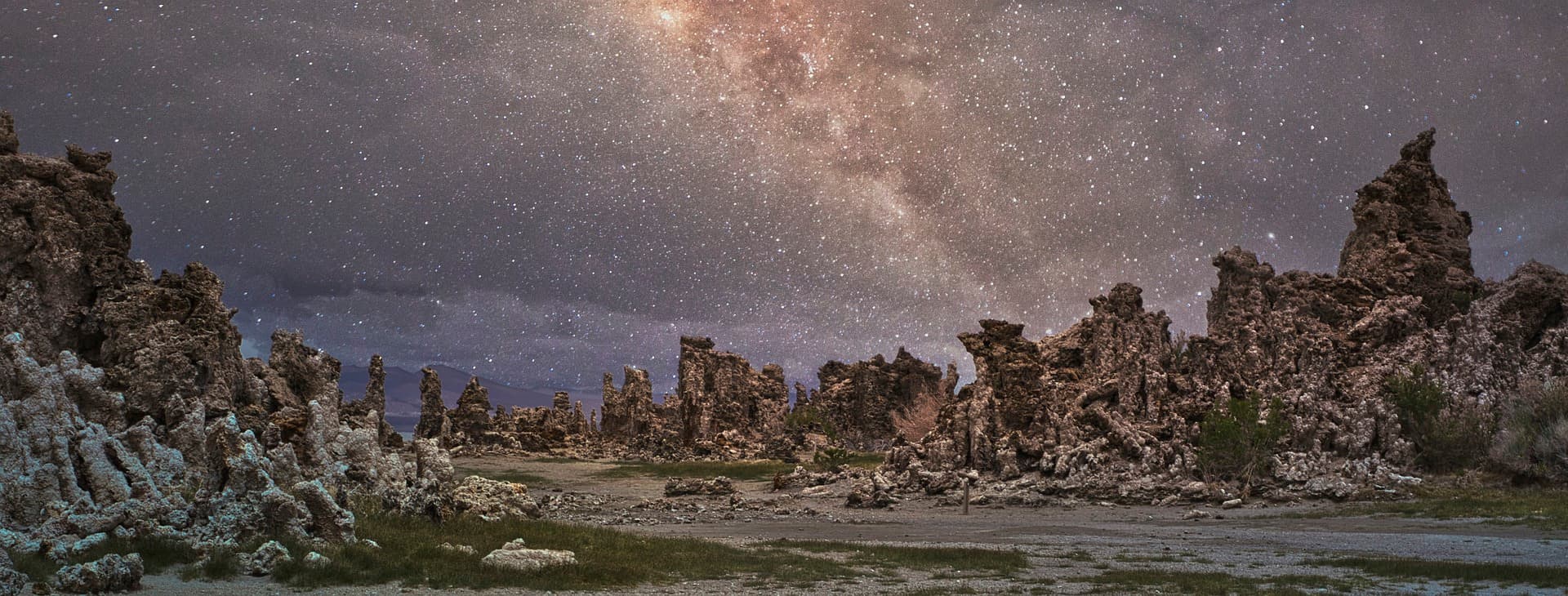
Desert rock spires beneath a dense field of stars

The workshop

Joshua Tree, California
34.1347° N, 116.3131° W
Bortle 4, and falling as you head south.

How we work

Four rules we do not bend

01

Say the true thing

We will never tell you the International Astronomical Union has stamped your name onto a lunar chart, because it has not. What we sell is a real crater, a real coordinate, a permanent registry entry and a beautiful certificate. That is plenty, and it is honest.

02

Only genuine ground

Every crater in our atlas comes from published lunar survey data with its true position, diameter and depth. We cross-check the IAU Gazetteer before anything is listed, and nothing that carries an official name is ever offered.

03

One crater, one name

The moment a crater is dedicated it is retired from the atlas permanently. We do not resell, recycle, or quietly reissue. If it were possible to sell the same patch of Moon twice, the whole thing would be worthless.

04

Made in the desert

Certificates are printed, checked and packed by hand in Joshua Tree. The people writing the viewing notes are the same people standing out at Cap Rock at two in the morning working out when your crater looks best.

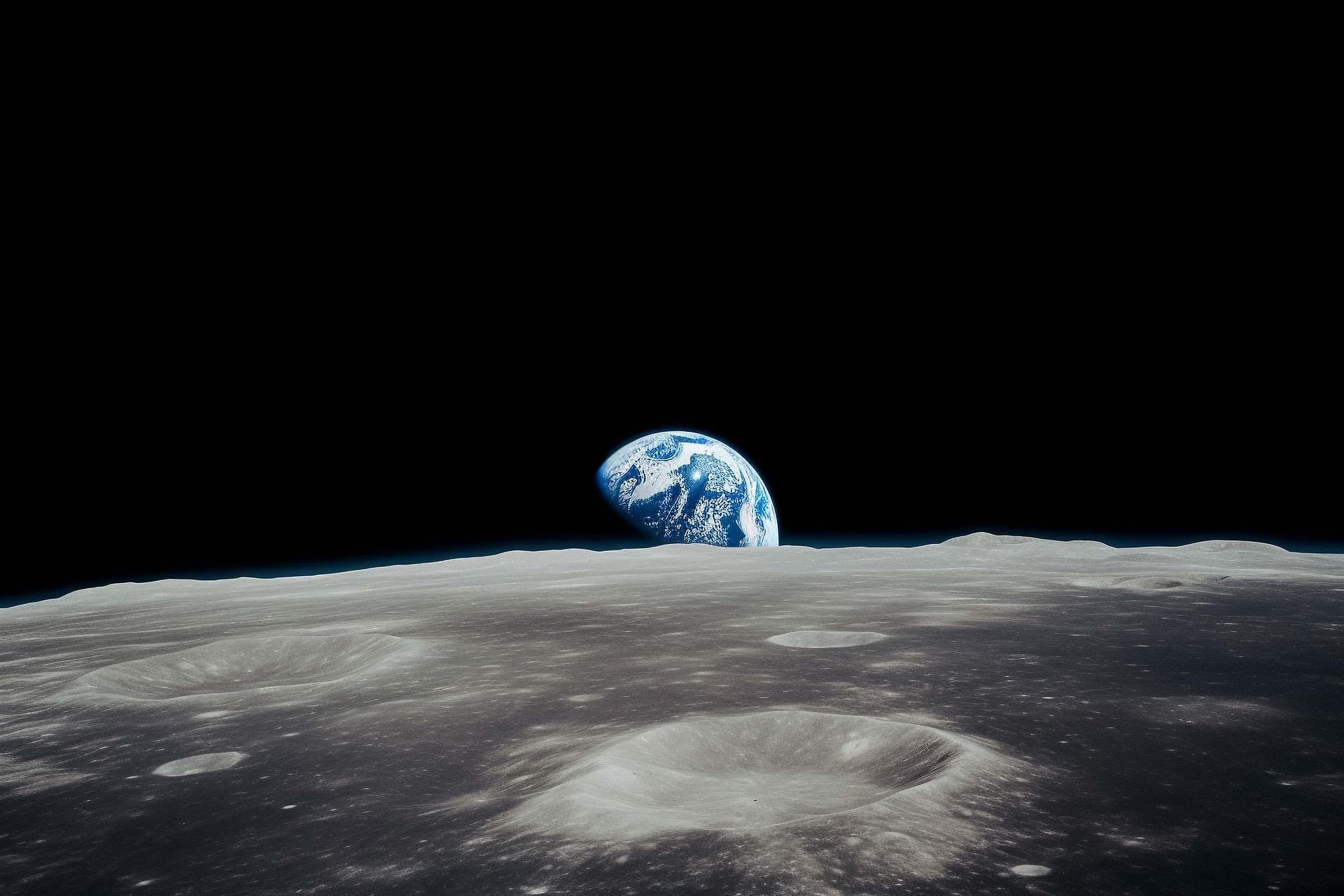
Earth rising above a cratered lunar horizon
Our sister brand

Part of the ExplOrbit family

ExplOrbit makes maps and charts of the worlds around us: the Moon, Mars, the Galilean moons, and the sky as it looks from anywhere on Earth on any given night. The Moon Land project is where the idea of putting a name on a piece of the Moon began.

The Joshua Tree Crater Company is the desert arm of that work. We take the ExplOrbit cartography, pair it with the crater registry, and send both out together. Every dedication ships with a folded ExplOrbit Moon Map of the near side, with your crater marked on it.

Same maps, same data, same obsessive attention to whether a mountain range is drawn in the right place. Just with more sand.

The honest bit, in full

Official names for lunar features are assigned by the International Astronomical Union, through a working group, on scientific grounds. No company can sell you one, and any company that implies otherwise is not being straight with you.

What The Joshua Tree Crater Company offers is a symbolic dedication. Your chosen name is recorded permanently in the Joshua Tree Crater Registry, printed on your certificate, and attached to a real, catalogued, currently unnamed crater whose coordinates you can point a telescope at tonight. That crater is then retired from our atlas forever.

We think that is a lovely thing to give somebody. We also think you should know exactly what it is before you buy it, which is why this paragraph is on the About page and not hidden in a footer six clicks away.

Open the Lunar Atlas
Made with Modulify