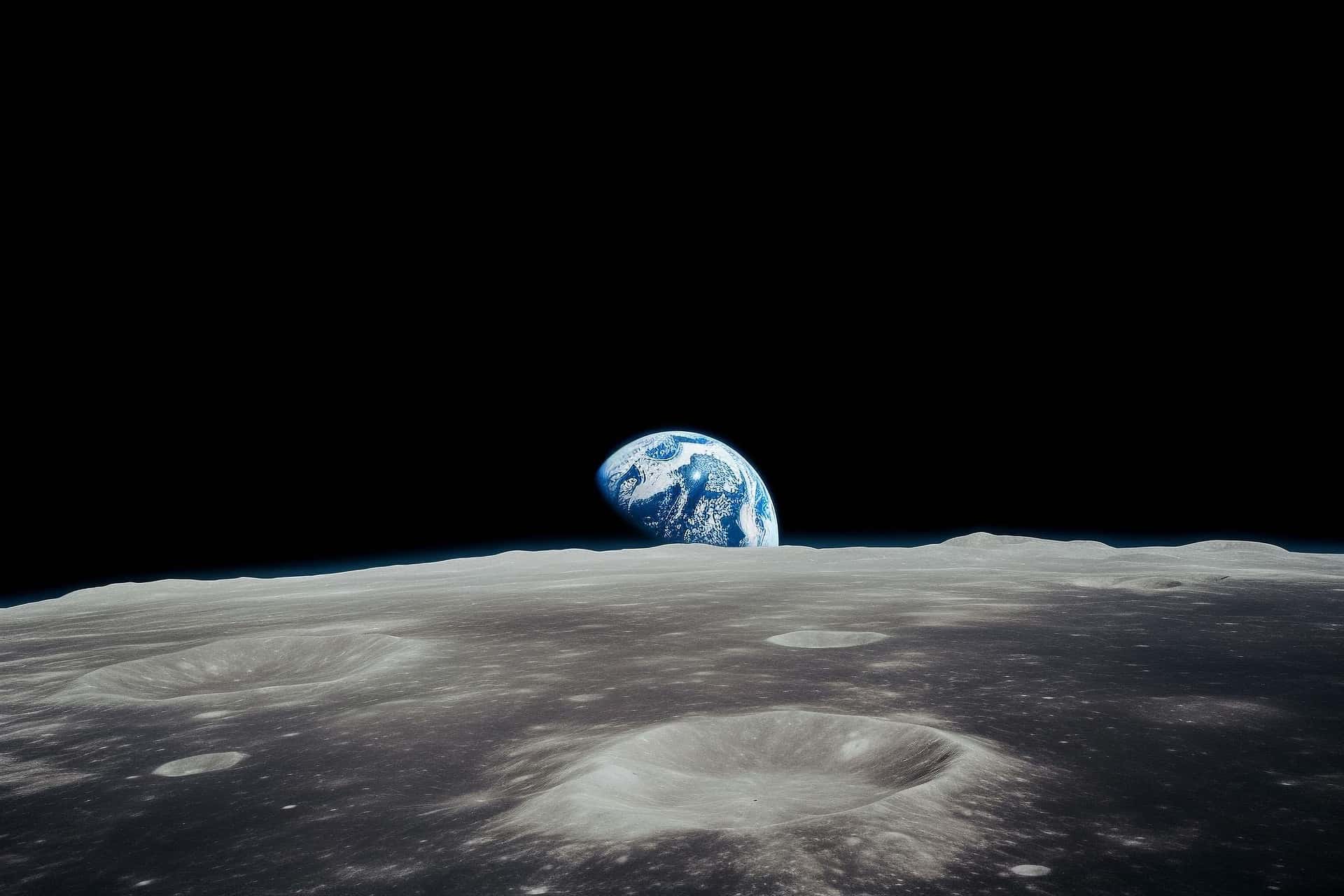
Earth rising above a cratered lunar horizon
Our mission

Protecting lunar land, one named crater at a time

The Joshua Tree Crater Company is a sister site of ExplOrbit Moon Land, a brand dedicated to the conservation and preservation of the Moon and its natural resources. Every dedication we send out exists to raise awareness of the need to protect that ground for the future of all humanity and space exploration.

What is lunar conservation?

Lunar conservation is the work of protecting the Moon’s surface, its historic landing sites and its natural resources as more nations and companies send missions there. The Moon has no wind, rain or plate tectonics, so a mark made on it stays essentially forever. The care taken in this decade decides what every generation after us inherits.

A sister site of ExplOrbit Moon Land

ExplOrbit Moon Land is a brand dedicated to the conservation and preservation of the Moon and its natural resources. It exists on the belief that the Moon is not simply a resource waiting to be divided up, but a real landscape, four billion years old, that our generation is the first to be able to reach and the first with the power to permanently damage.

The Joshua Tree Crater Company is the desert arm of that work. We offer our name a crater gift packages to raise awareness for the need to protect lunar land and preserve its natural resources for the future of all humanity and space exploration. A dedication is a gift, and it is also a way of handing one person a stake in one real place up there.

Visit ExplOrbit Conservation(opens in a new tab)
Why it matters

What is actually at stake up there

The Moon has no atmosphere, no weather and no way of repairing itself. Whatever is done to its surface in the next fifty years is, for all practical purposes, permanent.

01

The Moon is a finite place

It is a single, unrepeatable landscape of about 14.6 million square miles, and every crater, rille and dust plain on it is four billion years old. Nothing up there heals. A tyre track left in lunar regolith has no wind or rain to erase it, so it stays exactly as it was made, essentially forever.

02

Its resources are already being counted

Water ice at the poles, helium-3 in the regolith, rare-earth metals and the permanently shadowed craters themselves are all now named in mining plans and national programmes. Decisions about who takes what, and what is left untouched, are being made in this decade.

03

Some ground should stay as it is

Apollo landing sites, the peaks of eternal light, the quiet far side that radio astronomy depends on, and the polar ice traps are places worth protecting on their own terms, not just as supply depots for something else.

04

Awareness comes before protection

No lunar landscape has ever been protected by a treaty the way a national park is on Earth. That changes only when enough people feel a connection to the place. Putting a name on one real crater, and learning where it sits, is how that connection starts.

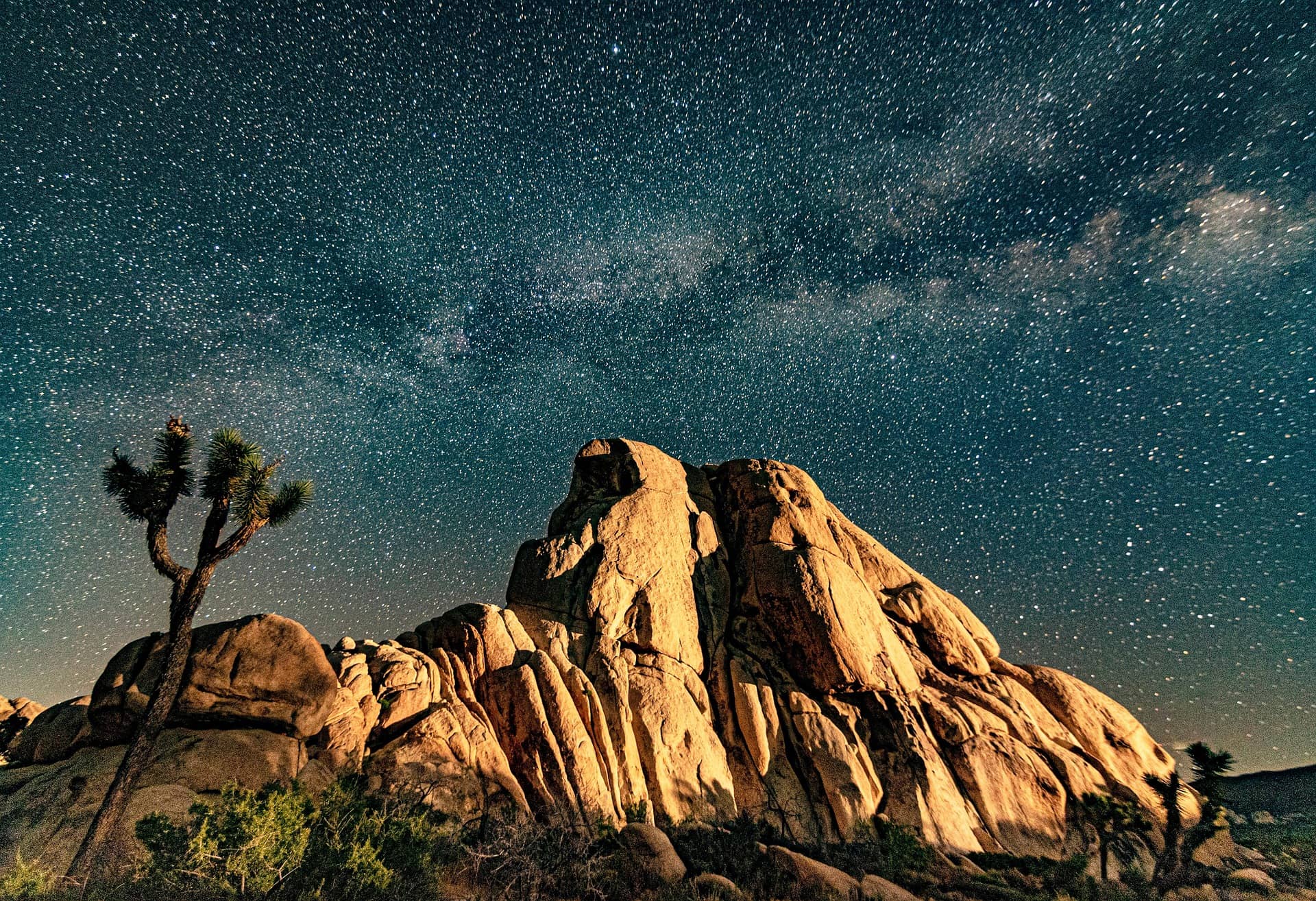
Moonlit granite boulders and a Joshua tree beneath the Milky Way
Look up from the high desert and the whole argument is right there
How a dedication helps

Awareness is the first form of protection

Nobody protects a place they have never thought about. Every conservation movement on Earth began the same way, with ordinary people learning the name of a valley, a reef or a stretch of coast, and deciding it mattered to them.

A crater dedication does that work in miniature. It hands somebody real coordinates, a real diameter, a real depth and a reason to walk outside and find it. In doing so it turns an abstract grey disc into a specific place with a specific name, which is precisely the shift that has to happen at scale before lunar land is ever formally protected.

Every certificate carries its number in the Joshua Tree Crater Registry, and every package ships with the case for lunar preservation printed alongside the viewing notes. That is the point of the gift as much as the gift itself.
Open the Lunar Atlas
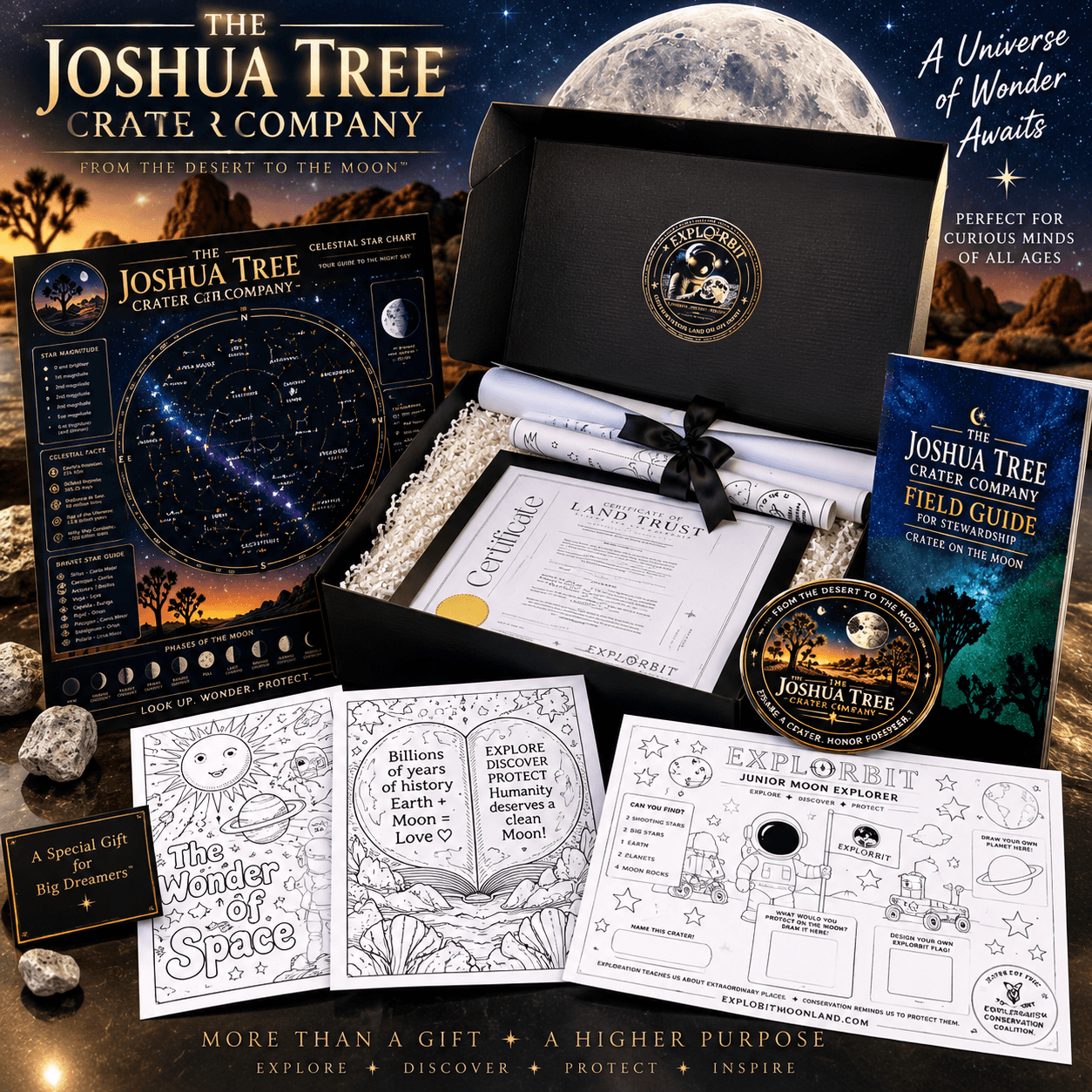
Everything in the gift package laid out around the open presentation box: the celestial star chart poster, the gold-sealed certificate, the field guide booklet, the company decal and the children’s activity sheets
One line of care

From the desert floor to the Moon

Conservation here does not stop at the horizon. The same care runs from the ground under your boots, through the dark sky overhead, all the way to the Moon.

  1. 01 · The desert floor

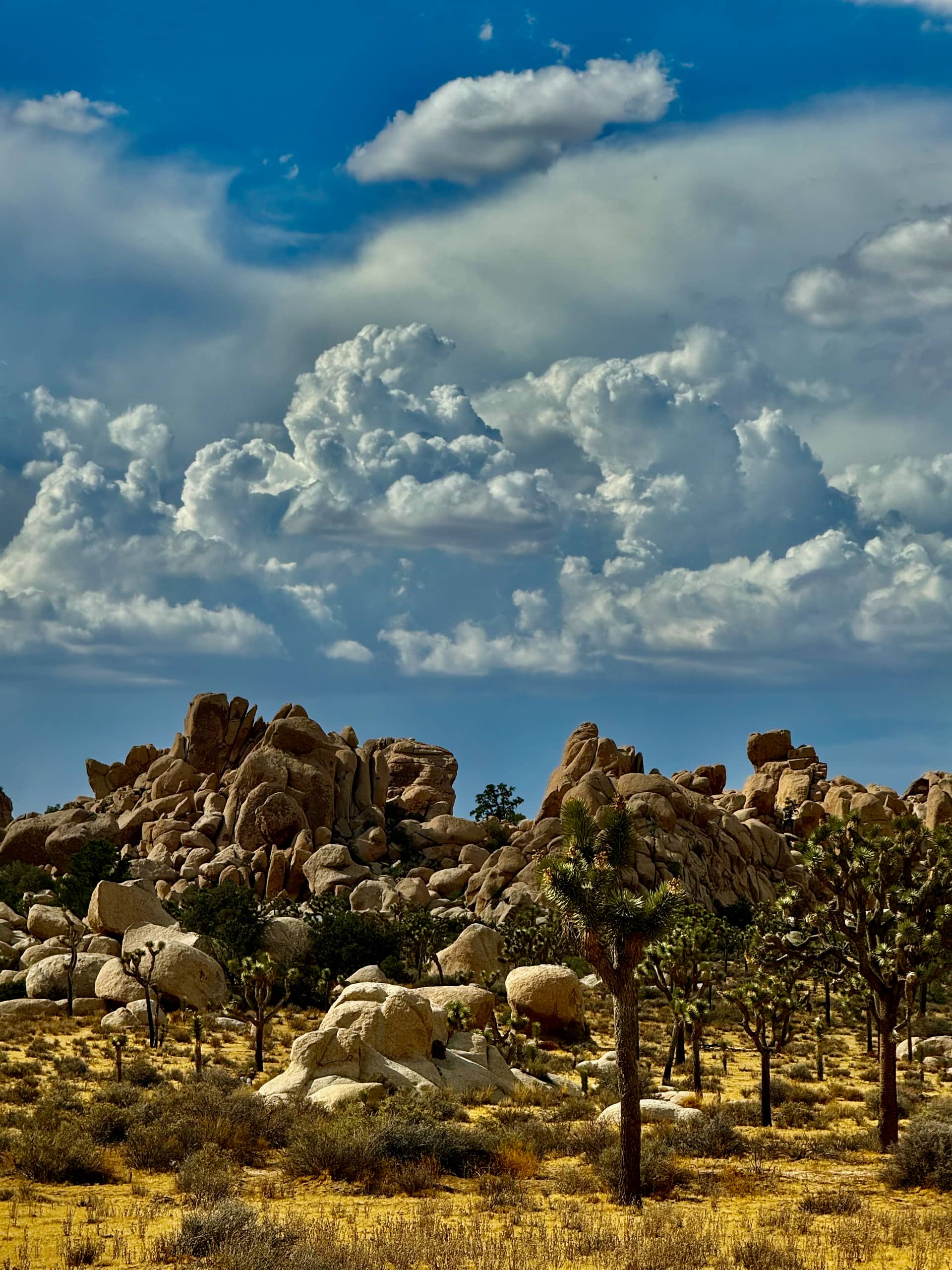
    Rounded granite boulders and Joshua trees in the Hidden Valley area of the Joshua Tree high desert

    Leave every stone where it lies

    Joshua Tree National Park protects ancient granite, Joshua trees and fragile desert soil. Leave every rock and plant where you found it and keep to roads and trails, so the next visitor finds the same desert you did.

    Why we never collect in the park
  2. 02 · The night sky

    The crowns of several Joshua trees lit warm red against a star-filled night sky over the Joshua Tree high desert

    Keep the dark dark

    Joshua Tree National Park has been an International Dark Sky Park since 2017, yet the glow from growing towns around it is measurable and rising. Shielded, warm, downward-pointing lights keep the stars, and the Moon’s craters, visible to everyone.

    How to help protect the dark
  3. 03 · The Moon

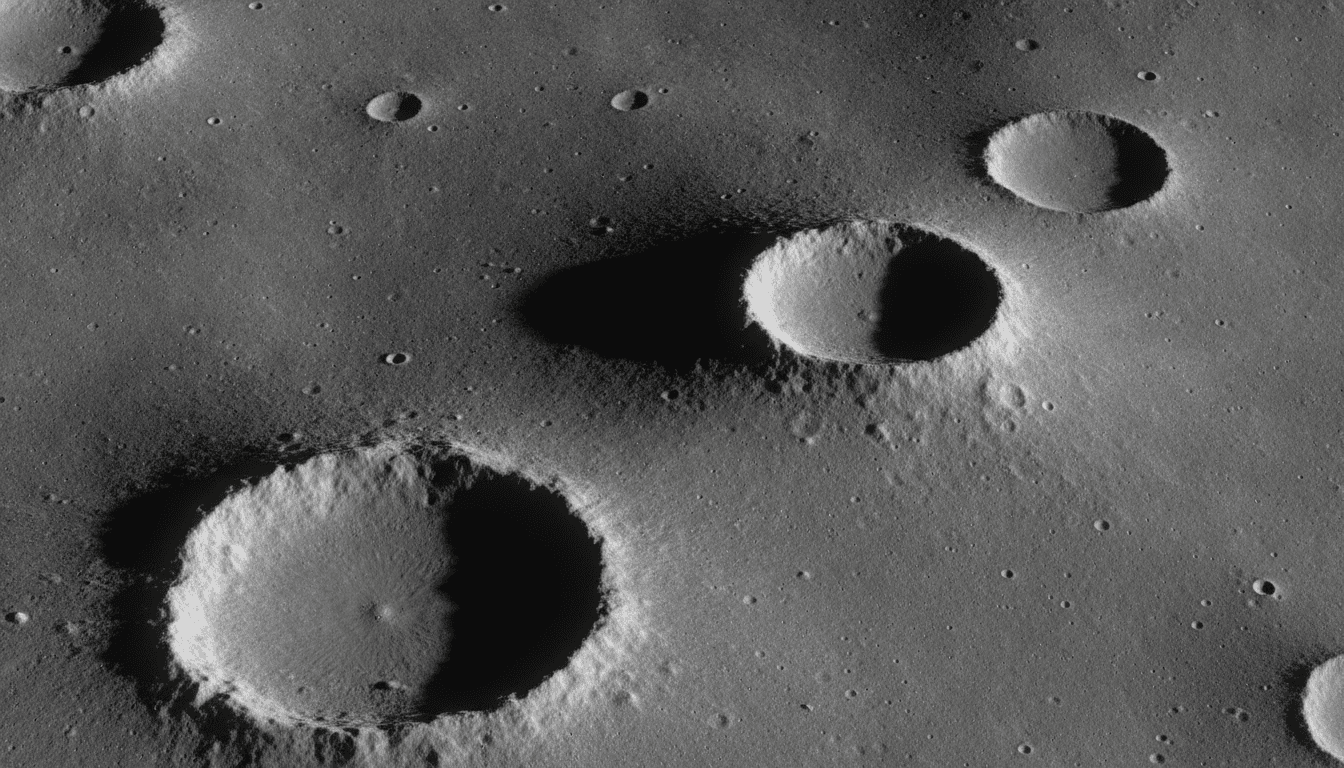
    Low sunlight raking across overlapping craters along the lunar terminator

    Know one real place by name

    Four billion years of history, the Apollo landing sites and the ice in its polar craters all sit on one finite landscape. Learning the name of one real crater, and telling someone why it matters, is where caring about the rest begins.

    Choose a crater to name
Who is already on it

How the Moon is protected today

A handful of agreements already speak up for the Moon’s most important ground. They are a real start, and they show exactly where public awareness still has work to do.

  1. 1967

    The Outer Space Treaty

    Article II places the Moon beyond any national claim, whether by sovereignty, use, occupation or any other means. It is still the foundation of space law.

  2. 2011

    NASA’s heritage guidance

    NASA published recommendations for keeping future missions clear of the Apollo landing sites and other U.S. artifacts on the Moon, with boundaries that visiting spacecraft should neither land inside nor fly over.

  3. Oct 2020

    The Artemis Accords

    Section 9 records the signing nations’ intention to preserve outer space heritage: historically significant landing sites, artifacts, spacecraft and other evidence of activity on the Moon.

  4. Dec 2020

    The One Small Step Act

    A United States law requiring companies and partners working with NASA on lunar missions to agree to the agency’s guidance for protecting the Apollo sites.

No lunar landscape is yet protected the way a national park is protected on Earth. Closing that gap starts with enough people knowing, and caring about, real places up there. That is the work every dedication does.

Our commitments

What conservation means for how we operate

  • We only ever offer unnamed, uncommitted ground

    No crater that carries an official IAU name is listed, and nothing is offered twice. Once a crater is dedicated it is retired from the atlas permanently.

  • The Moon stays everyone’s

    Under the Outer Space Treaty the Moon belongs to no nation or company, and we would not want it any other way. A dedication is a symbolic commemoration and a conservation gesture, never a deed.

  • We put the case for preservation in every package

    Alongside the certificate and the star chart, the field notes booklet carries the argument for why lunar land is worth protecting, so it reaches the person who receives the gift and not just the person who bought it.

  • We keep the ground itself untouched

    Nothing we do puts a single object, mark or footprint on the Moon. The conservation case is made entirely down here, on paper, from Joshua Tree.

Common questions

Lunar conservation, answered

Why does the Moon need protecting?

Because nothing on the Moon heals. Its landscape is around four billion years old and changes only when something new strikes it, so tyre tracks, landing scars and debris stay exactly where they are made. Its polar ice and historic landing sites are already part of mission plans, which makes the choices made in this decade permanent ones.

Is anything on the Moon protected today?

Parts of it, through agreements rather than parks. The 1967 Outer Space Treaty keeps the Moon free of any national claim. NASA’s 2011 guidance asks missions to keep clear of the Apollo sites, a 2020 United States law requires NASA’s lunar partners to follow it, and the Artemis Accords commit signatories to preserving outer space heritage. No lunar landscape is yet protected the way a national park is.

How does naming a crater help lunar conservation?

A dedication turns an anonymous grey disc into a specific place with a name, coordinates and a reason to look up. Every conservation movement on Earth began with people learning the name of a place and deciding it mattered. Each certificate puts one more person in that position, and the field notes booklet shows them where to find it.

Does anyone own the Moon?

The Moon belongs to everyone. Article II of the 1967 Outer Space Treaty states that it is not subject to national appropriation by claim of sovereignty, by means of use or occupation, or by any other means. We support that principle as part of our mission, so a crater dedication is a symbolic, commemorative keepsake and never a deed to land.

How can I help protect the Moon and the night sky?

Start small and close to home. Learn the name of one real place on the Moon and tell someone why it matters. Shield and dim your outdoor lights so the sky stays dark enough to see it. And when you visit a park, leave every rock and plant where you found it, the same care the Moon deserves.

Put a name on one real place up there

A gift for someone you love, and one more person on Earth who knows a place on the Moon worth protecting.

Open the Lunar Atlas

Principal factual sources

  • United Nations Office for Outer Space Affairs, Treaty on Principles Governing the Activities of States in the Exploration and Use of Outer Space, including the Moon and Other Celestial Bodies (1967), Article II — unoosa.org
  • NASA, “Recommendations to Space-Faring Entities: How to Protect and Preserve the Historic and Scientific Value of U.S. Government Lunar Artifacts” (July 2011, revised October 2011) — nasa.gov
  • NASA, The Artemis Accords (signed 13 October 2020), Section 9, “Preserving Outer Space Heritage” — nasa.gov
  • One Small Step to Protect Human Heritage in Space Act, Public Law 116-275 (signed 31 December 2020) — congress.gov/bill/116th-congress/senate-bill/1694
  • National Park Service, “Joshua Tree National Park Celebrates Designation as an International Dark Sky Park” (14 August 2017) — nps.gov/jotr
  • National Park Service, “Stargazing”, Joshua Tree National Park — nps.gov/jotr/planyourvisit/stargazing.htm

The Joshua Tree Crater Company is an independent company. It is unaffiliated with NASA, the International Astronomical Union, the National Park Service and DarkSky International.

Made with Modulify